
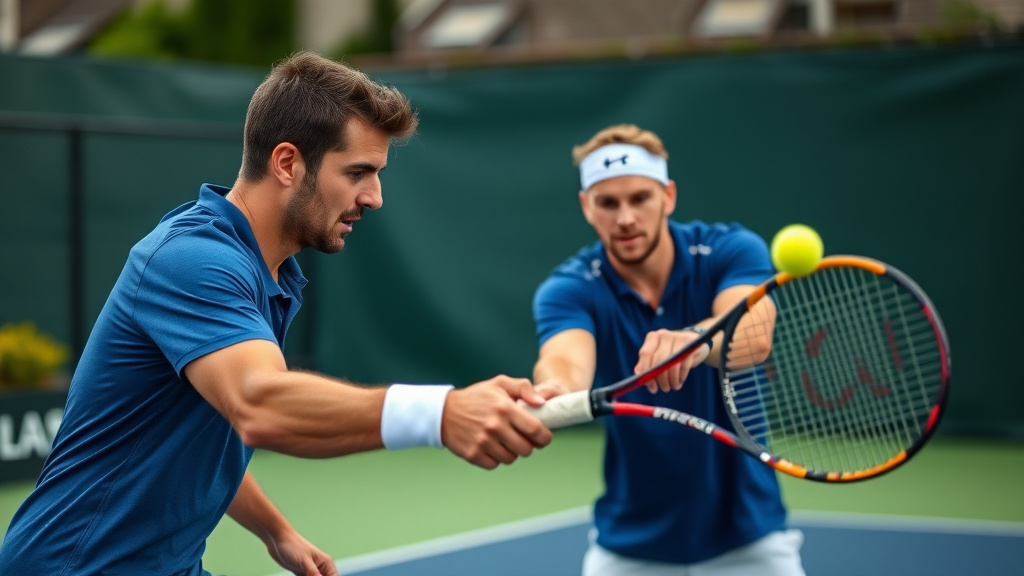
What separates Wimbledon champions from the rest of the tennis world? Beyond raw talent and competitive spirit lies a carefully guarded arsenal of coaching techniques that enhance their performance to extraordinary levels. In this in-depth examination, we expose the intensive training regimens, advanced training methods, and mental preparation strategies employed by tennis’s elite. Discover how champions fine-tune their serves, achieve rapid court mobility, and maintain peak performance in high-pressure situations—insights that explain how these athletes consistently dominate the grass courts of SW19.
Sophisticated Physical Training Methods
Wimbledon champions leverage modern conditioning approaches that extend well past conventional tennis preparation. These elite athletes implement structured training phases that deliberately rotate between intense workout bursts and rest periods. By modifying workout elements such as training load, effort intensity, and length, players optimize their cardiovascular capacity and strength durability. Sport scientists working with top players have developed individualized conditioning plans that target the particular challenges of grass surface competition, ensuring athletes maintain rapid force production throughout extended five-set matches while minimizing injury risk.
Power development forms a cornerstone of contemporary Wimbledon preparation, with champions emphasizing compound exercises that enhance court performance. Rather than conventional weight training, these players emphasize multi-joint movements that strengthen stability, explosive rotation, and directional agility. Medicine ball throws, explosive drills, and band resistance training strengthen the movement system essential for powerful serves and rapid directional changes. Coaches carefully structure these sessions to complement on-court practice, ensuring players build the strength endurance needed to execute challenging strokes consistently during competitive matches.
Recovery protocols distinguish champions from competitors, as top-tier athletes recognize that adaptation occurs throughout recovery windows. Tournament-focused athletes implement sophisticated recovery strategies including cryotherapy, temperature contrast bathing, and advanced massage techniques. Sleep optimization proves essential, with top performers following strict sleep schedules and using sleep tracking technology to track rest quality. These detailed recovery methods speed up muscle repair, reduce inflammation, and improve cognitive function—essential elements when playing back-to-back matches across two-week competition schedules.
Movement quality development receives unprecedented attention in contemporary elite competition. Champions allocate significant training time to active flexibility work, yoga practice, and targeted mobility exercises that maintain maximum movement capability. This proactive approach prevents frequent tennis-related ailments while boosting movement quality across the court. By maintaining superior flexibility, players execute precision strokes with enhanced control and limit faulty movement habits that produce injury risk. Integrated flexibility sessions help athletes remain resilient throughout intense tournament circuits.
Sport-tailored training drills replicate match demands with remarkable accuracy, preparing champions for tournament intensity. Coaches design court-specific drills that reproduce point-play sequences, motion sequences, and metabolic strain encountered in competitive play. Such training utilize interval-based methodology, alternating maximal exertion with short rest intervals that reflect genuine match tempo. By training the energy systems within tournament-like settings, competitors strengthen greater physical resilience and mental toughness crucial for managing intense competitive moments.
Performance analysis and physiological tracking have revolutionized how champions enhance their physical preparation. Top-tier competitors undergo routine lactate threshold testing, VO2 max assessments, and body composition measurements to monitor conditioning progress. Live tracking systems provide coaches with immediate insights on athlete effort intensity during practice sessions, enabling accurate calibration of workout intensity levels. This evidence-based method eliminates guesswork, enabling customized training protocols that maximize athletic improvements while reducing fatigue and exhaustion during critical tournament preparation phases.
Mental Resilience and Psychological Strategies
Mental resilience separates Wimbledon champions from their competitors. Elite players cultivate psychological systems that enable them to sustain composure during pivotal situations, converting pressure into performance advantages. Through structured psychological training, champions develop unwavering self-belief, emotional control, and the capacity to bounce back from setbacks instantaneously. These psychological approaches prove as crucial as physical conditioning, allowing players to deliver with precision when stakes are greatest and opponents are strongest.
Visualization and Concentration Practice
Wimbledon champions employ sophisticated mental imagery methods to mentally prepare for matches before stepping onto the court. This practice involves vividly envisioning successful stroke completion, expected opponent reactions, and diverse competitive scenarios. By consistently practicing visualization of peak performance, athletes reinforce neural connections that enable peak performance during live competition. Champions dedicate considerable time in mental rehearsal sessions, regarding visualization with equal intensity and commitment they apply to strength and conditioning, consequently boosting competitive readiness and match confidence.
Concentration training represents another cornerstone of mental conditioning for professional tennis athletes. Champions develop exceptional concentration skills, blocking out interruptions and maintaining singular attention on each point. Through meditation, mindfulness exercises, and targeted focus drills, players condition their mental processes to maintain presence and engagement throughout complete matches. This improved mental sharpness allows players to respond with rapid decision-making, modify tactics successfully, and preserve emotional balance during demanding match situations on grass courts.
- Breathing techniques control nervous system throughout high-pressure matches
- Positive self-talk builds mental resilience and self-assurance
- Establishing routines creates consistency and psychological anchors
- High-pressure training drills builds mental toughness under pressure
- Practicing mindfulness enhances present-moment awareness and focus
Mental performance specialists partner with Wimbledon champions, designing personalized mental strategies aligned with individual playing styles and psychological profiles. These specialists hold frequent consultations analyzing performance data, recognizing psychological trends, and executing specific techniques. Champions maintain detailed mental performance journals recording emotional conditions, concentration intensity, and performance catalysts during tournaments. This analytics-focused strategy to psychological preparation ensures continuous improvement and optimal psychological preparation for tournament success.
Court-Specific Skills and Tactical Mastery
Grass Court Adaptation and Court Mastery
Wimbledon’s grass courts necessitate focused conditioning that surpasses traditional hard court preparation. Champions invest considerable effort to grass-specific drills, training on real grass to understand how the ball behaves differently. The reduced friction and quicker speed require modified footwork, adjusted serving methods, and perfected approach strokes. Elite players study grass court physics extensively, analyzing bounce patterns and path alterations. This intensive surface training commences well ahead of the tournament, guaranteeing their muscle memory and tactical understanding match precisely with Wimbledon’s particular playing environment and demanding environment.
Strategic positioning becomes paramount on grass, where court positioning errors result in immediate punishment. Champions develop exceptional anticipation skills through specialized drills that emphasize quick positioning and aggressive net play. Their training incorporates rapid-response drills and match-like situations specific to grass conditions. Mental preparation centers around adapting to the court’s variable nature while maintaining composure during rallies. Advanced footage review technology help players recognize ideal court positions, court coverage strategies, and movement efficiency. This comprehensive approach transforms possible vulnerabilities into competitive advantages, allowing champions to exploit grass court dynamics while minimizing their opponents’ opportunities.
Tactical Serve Improvement and Placement Precision
The serve constitutes tennis’s most manageable shot, and Wimbledon champions invest countless hours perfecting its execution. Their practice regimens emphasize serve variety, creating different velocity levels, spins, and placements to prevent anticipation. Champions practice serve placement with meticulous accuracy, focusing on specific court zones repeatedly until accuracy becomes automatic. Sophisticated technical assessment determines optimal serving mechanics, maximizing both power and consistency. Training includes match-like conditions replicating competitive play, ensuring serves stay consistent during key points. This systematic process transforms the serve into a dominant weapon, often generating direct winners or creating advantageous situations for follow-up shots.
Tactical serve placement extends beyond simple power delivery, incorporating tactical court positioning and opposition assessment. Champions extensively analyze how opponents return serves, identifying vulnerabilities and tendencies that guide serve placement decisions. Training sessions feature match-like practice situations where players work on choosing serves based on specific game situations, opposition placement, and tactical objectives. Mental preparation emphasizes serve confidence, enabling players to implement predetermined tactics under pressure without hesitation. This advanced method treats serving as a strategic puzzle piece rather than merely a stroke, providing champions with consistent competitive advantages across tournament matches.
Net Court Mastery and Volley Mastery
Grass courts reward aggressive net play, leading Wimbledon champions to develop outstanding volleying abilities through intensive specialized training. Their workout routines include numerous repetitive vollying exercises, developing feel, reaction time, and positioning sense required for net dominance. Champions practice from multiple distances, practicing angles, depth control, and defensive positioning. Sophisticated movement exercises strengthen their ability to reach difficult volleys while maintaining balance and recovery positioning. Match strategy work emphasizes making choices near the net, coaching players whether to go on offense or stay defensive. This thorough net skill development converts net opportunities into reliable point-winning positions, fundamentally altering competitive flow benefiting the champions.
Transitioning from baseline to net demands flawless performance, a skill Wimbledon champions develop consistently throughout their training cycles. Champions practice approach shots regularly, developing consistency and placement precision that establishes favorable net positions. Training integrates footwork patterns that highlight effective court movement while preserving aggressive court position. Mental conditioning focuses on confidence during transition moments, empowering players to commit fully to aggressive strategies without hesitation. Sophisticated tracking technology monitor net success rates, identifying trends and improvement opportunities. This comprehensive strategy transforms net play from occasional tactical option into a dependable, powerful component of top competitors’ tactical toolkits throughout the Wimbledon event.
